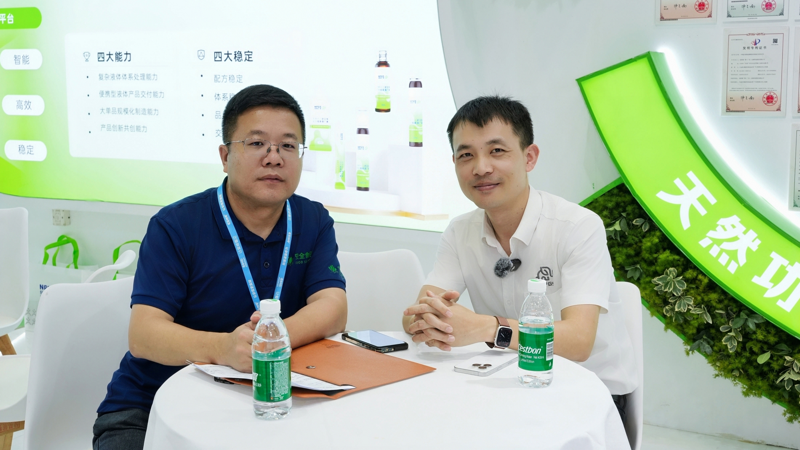
HooJoo PR shares its latest observations on how affluent Chinese travelers are redefining luxury travel — and what global brands need to understand next.
BEIJING, June 2026 — China's outbound travel market has entered a new phase.
As affluent Chinese consumers return to international travel, luxury is increasingly being redefined not by exclusivity or scale, but by cultural relevance, discernment and personal meaning.
According to HooJoo PR, a strategic communications consultancy specializing in luxury hospitality, lifestyle brands and destinations, the future of luxury travel will belong to brands capable of shaping taste, earning trust and creating culturally resonant narratives.
The agency's latest market observations suggest that traditional destination marketing is giving way to a more sophisticated ecosystem shaped by editorial authority, trusted communities and highly curated experiences.
Five Key Insights for 2026
For China's affluent travelers, luxury increasingly functions as a reflection of identity rather than wealth.
Consumers are placing greater value on curation, originality and cultural depth, seeking experiences that communicate personal taste rather than social status.
As conspicuous consumption continues to give way to more nuanced forms of self-expression, brands capable of demonstrating aesthetic credibility and a strong point of view are expected to outperform.
Chinese travelers are no longer turning to social platforms primarily for inspiration. Increasingly, they are using them to validate decisions.
Before booking a hotel, restaurant or destination, consumers actively seek detailed reviews, peer recommendations and creator-generated insights to assess whether an experience truly aligns with their expectations and lifestyle.
Platforms such as RED, Douyin and WeChat have therefore evolved beyond discovery channels into critical validation engines that influence every stage of the customer journey.
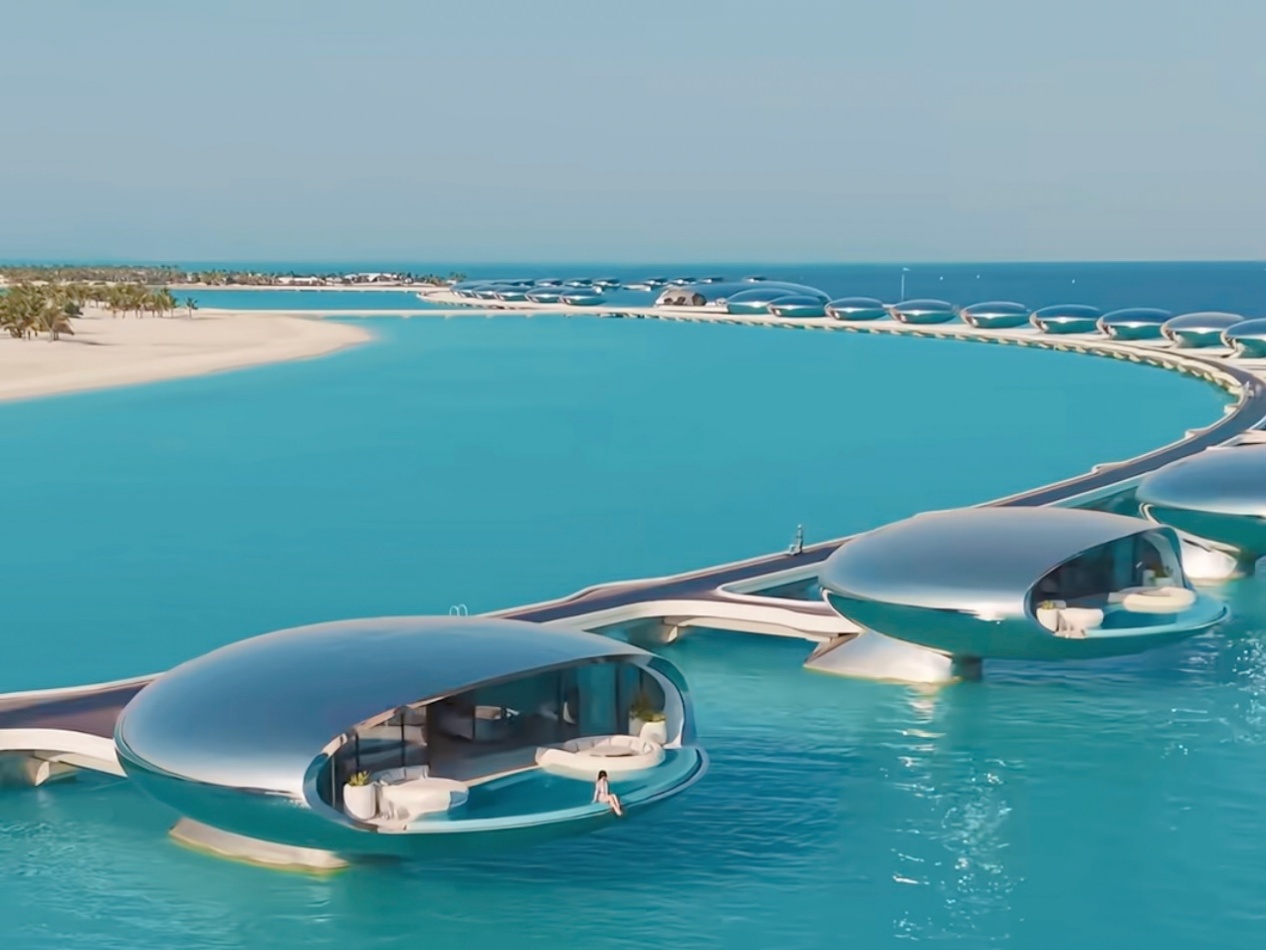 @Zhangdarlin visit Shebara Resort as part of a HooJoo PR campaign
Luxury audiences are becoming increasingly difficult to define through conventional demographic categories alone.
Shared aesthetic values, lifestyles and cultural interests now often matter more than age, geography or income.
A design enthusiast in Shanghai may have more in common with an art collector in Singapore or a wellness traveler in London than with peers of the same age group.
For luxury brands, understanding these emerging taste communities will become essential to building relevance and long-term loyalty.
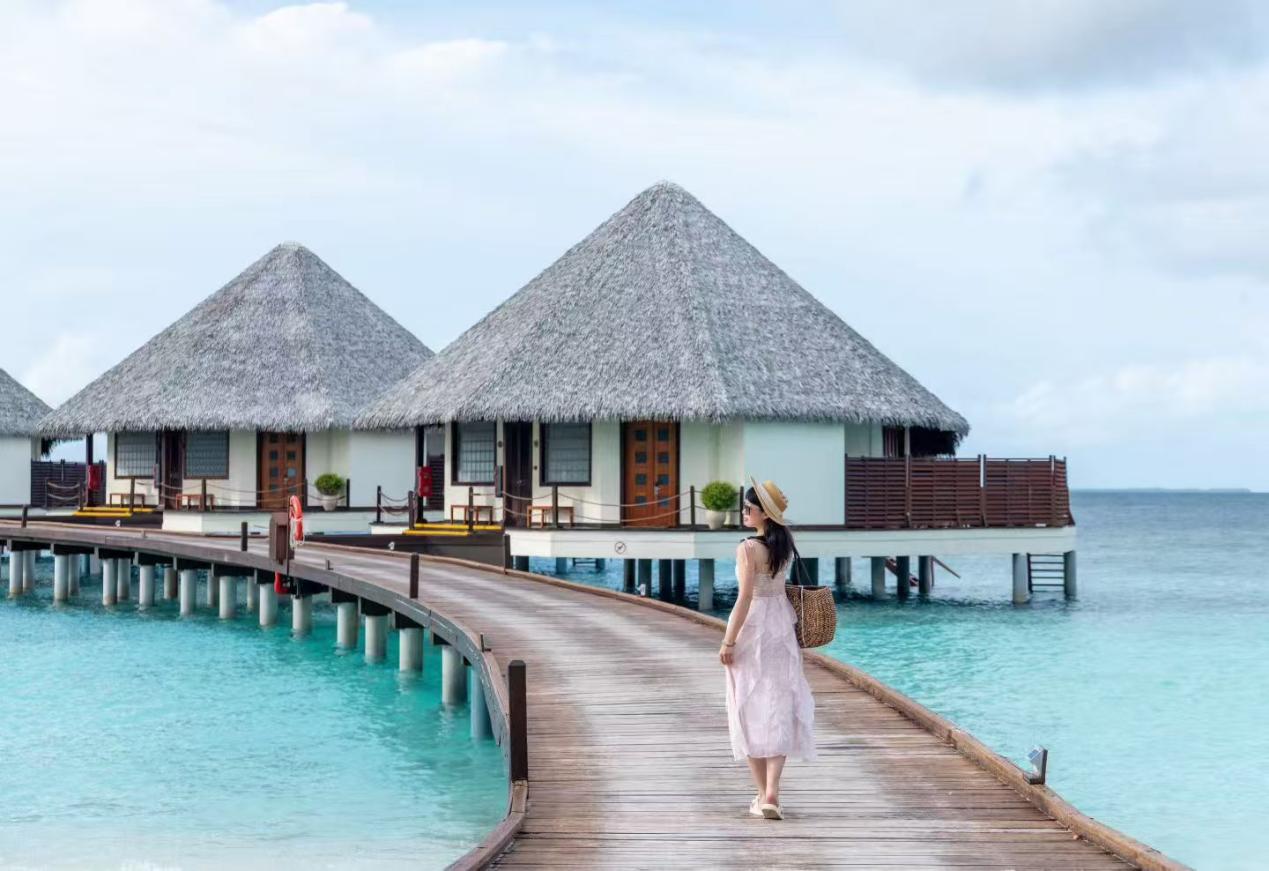
@JunJun visit Adaaran Resorts as part of a HooJoo PR campaign
4. Editorial Authority Is Outperforming Celebrity Visibility
Influence in China's luxury landscape is becoming more selective.
While celebrity partnerships continue to generate visibility, affluent consumers increasingly place greater trust in creators, editors and tastemakers whose expertise, aesthetic sensibilities and values align with their own.
Consumers are also demonstrating a growing preference for content that feels editorial rather than promotional.
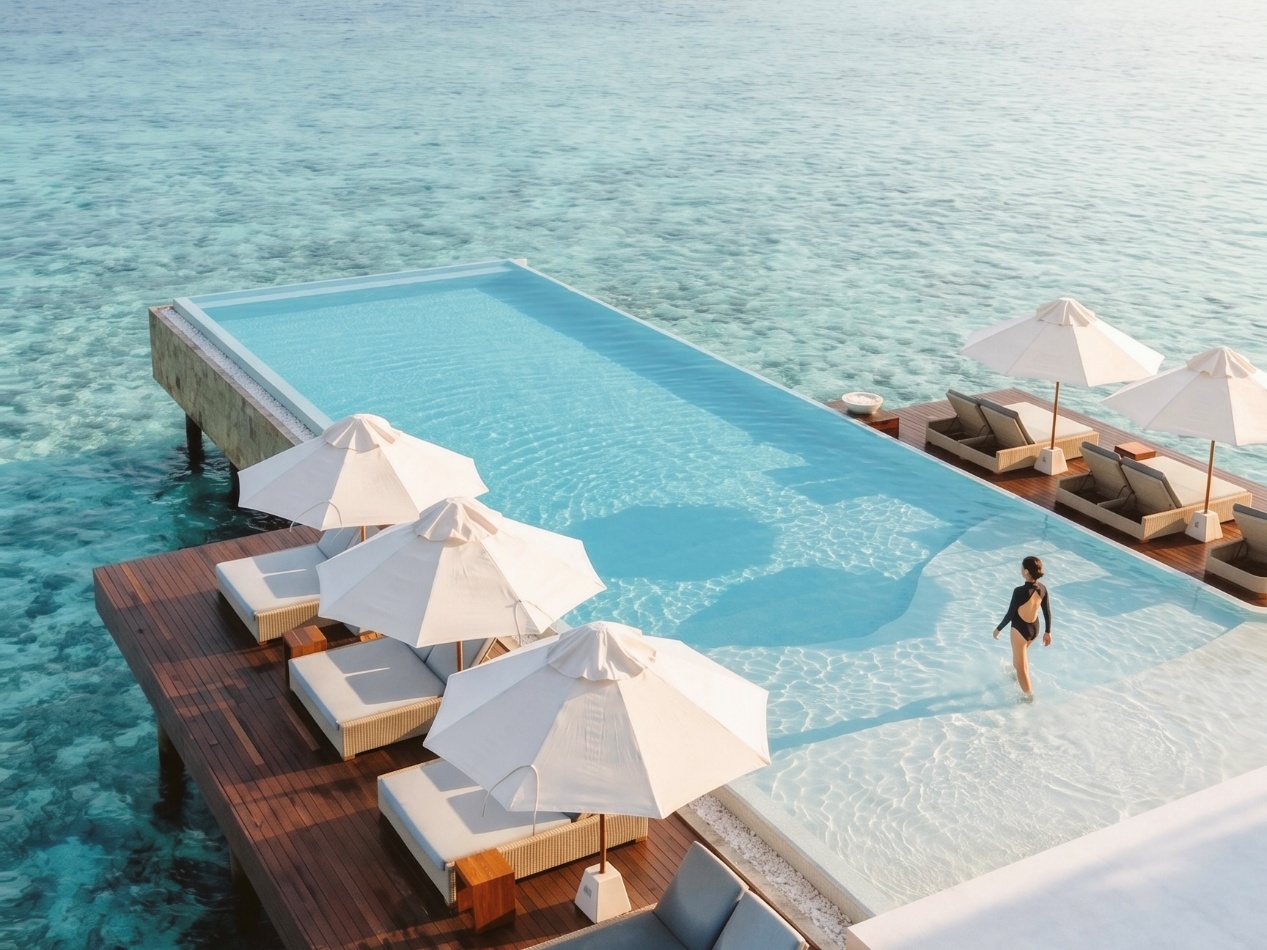
@KittyWong visit Heritance Aarah as part of a HooJoo PR campaign
5. Luxury Journeys Are Increasingly Built Around Cultural Moments
Affluent Chinese travelers are increasingly planning journeys around highly specific experiences rather than destinations alone.
A celebrated chef, an art exhibition, a wellness retreat, a seasonal cultural event or an iconic hotel experience may now serve as the primary motivation for travel.
As a result, destinations are increasingly competing not simply as places, but as curators of meaningful cultural moments.
"Chinese luxury travelers today are among the world's most discerning consumers," said Flora ZHAO, Managing Partner of HooJoo PR. "What increasingly defines luxury is not exclusivity alone, but relevance — experiences that feel culturally meaningful, emotionally resonant and thoughtfully curated. Brands that successfully shape trust and cultural resonance will be best positioned for long-term growth."
About HooJoo PR
HooJoo PR is an independent strategic communications consultancy specializing in luxury hospitality, lifestyle brands and global destinations.
Working at the intersection of culture, travel and communications, the firm advises a select portfolio of international clients seeking meaningful engagement with China's evolving luxury consumer landscape.
With expertise spanning strategic communications, media relations, creator partnerships and cross-cultural storytelling, HooJoo PR helps some of the world's most distinguished hospitality and lifestyle brands cultivate influence, relevance and long-term brand equity in China.
For more information, visit hoojoogroup.com.